Sound healing training has moved from mountain temples to mainstream studios in a single generation. Today a search returns dozens of certificates promising mastery in a weekend. The question is no longer whether to train, but how to choose a training that will still matter in ten years.
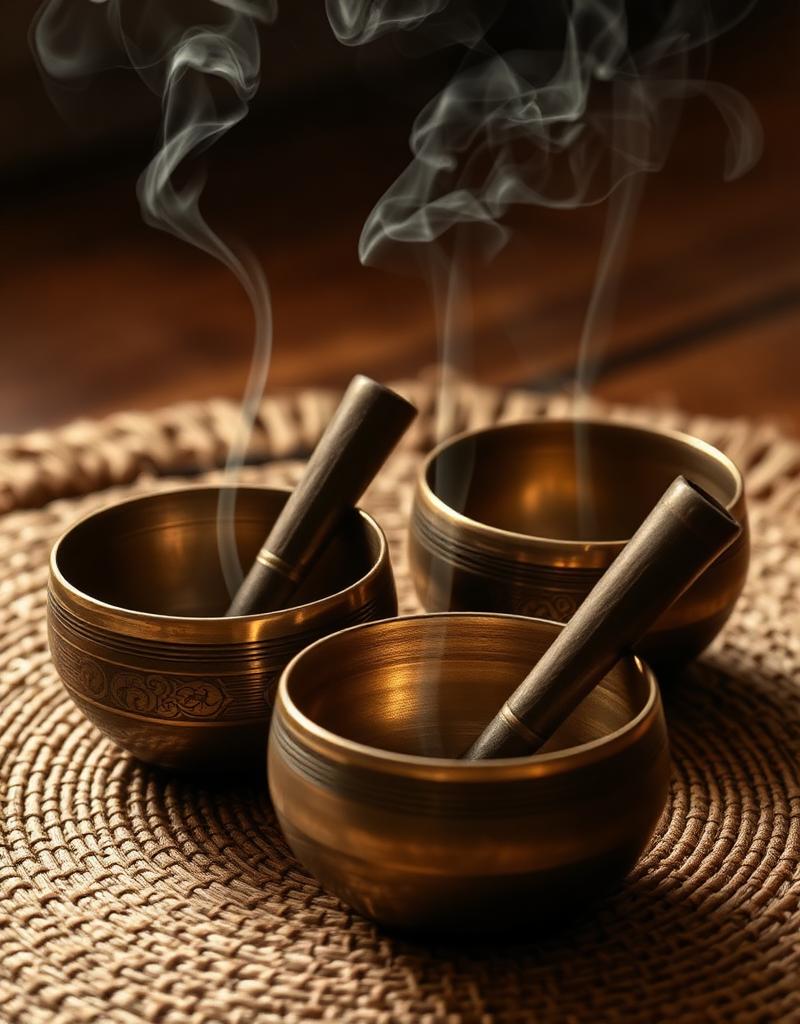
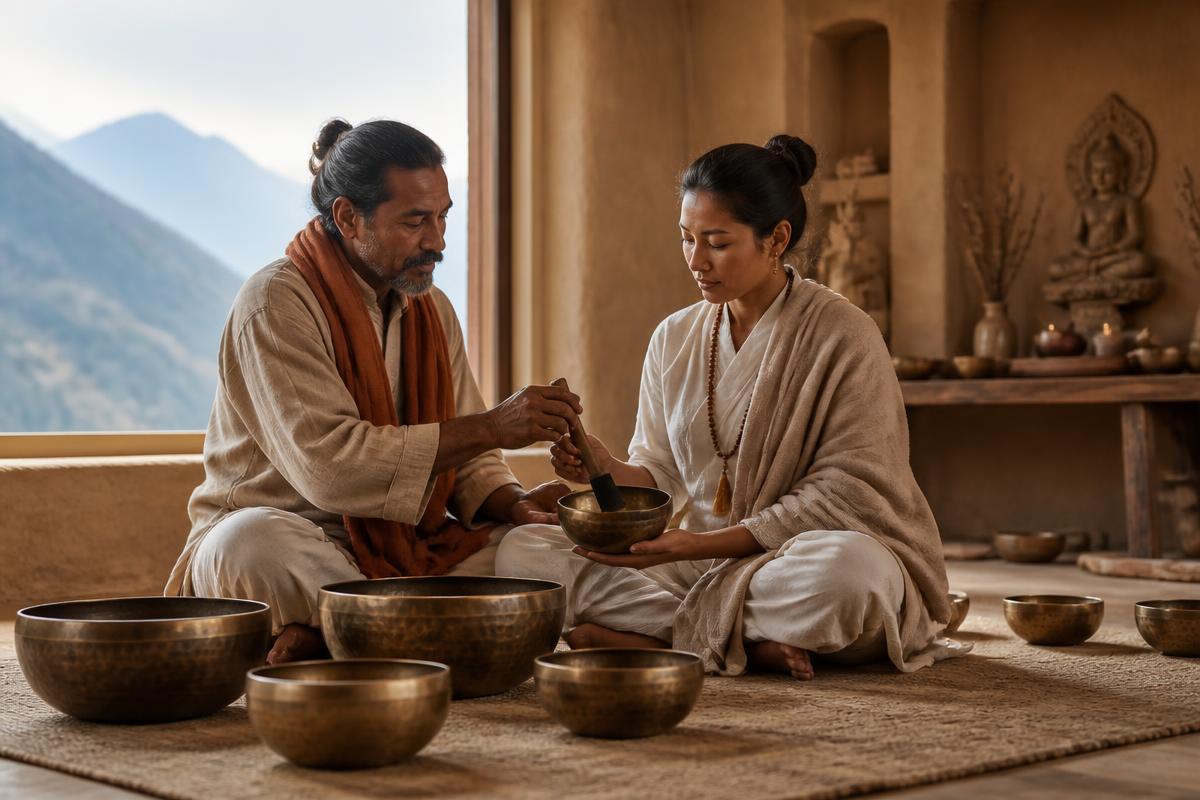
Begin with lineage. Ask where the practices come from, who carried them, and what they cost to preserve. A genuine Himalayan approach is not a set of techniques pasted onto a brochure; it is a transmission that includes the making and caring of bowls, the use of mantra and breath, long periods of silence, and a relationship with the instruments that deepens over years. If a program cannot name its teachers or its tradition, it is selling sound, not lineage.
Then look for science. The body responds to vibration whether we believe in it or not. A serious training should explain frequency and entrainment, the role of the vagus nerve, contraindications for trauma and medical devices, and the difference between felt experience and measurable change. Mystery has its place, but it should not be used to hide gaps in knowledge.
Practice must outweigh theory. You cannot learn to hold a room by watching slides. Look for supervised playing time, feedback on your touch and timing, opportunities to facilitate for real people, and guidance on ethics and boundaries. The best teachers are not the ones who perform the most bowls; they are the ones who teach you to listen.
The finest programs refuse the false choice between tradition and evidence. They let ancient methods speak through a modern understanding of the nervous system, and they let research remain humble before the unknown. This is the Kalantra approach: lineage as root, science as lens, practice as path.
Take your time. A sound healing training is not a product to compare by price and duration. It is a doorway into a lifelong relationship with sound, self, and service. Choose the doorway that feels like coming home.